Follow Me !
Brown Sugar Roasted Butternut Squash for Cozy Fall Dining

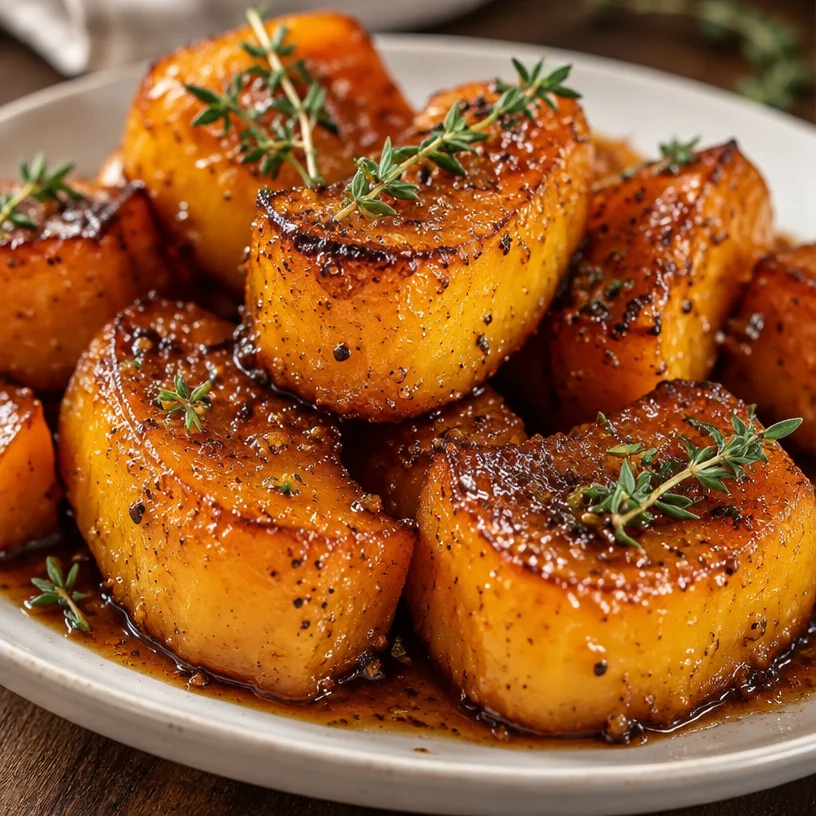
This brown sugar roasted butternut squash is the kind of comforting side dish that makes a fall meal feel extra special. Tender squash develops beautifully caramelized edges in the oven, while brown sugar adds a warm sweetness that pairs perfectly with savory dinners, holiday tables, and cozy weeknight meals.
Why Make This Recipe
- Simple and approachable: A few everyday ingredients transform butternut squash into a flavorful side dish.
- Perfectly cozy: Brown sugar, roasted squash, and warm autumn flavors belong together.
- A crowd-pleaser: The caramelized edges and naturally sweet flavor appeal to both kids and adults.
- Flexible: Serve it alongside roasted meats, grain bowls, salads, or vegetarian mains.
- Great for entertaining: Most of the preparation can be done ahead, making it an easy addition to a holiday menu.
Ingredients
- Butternut squash, peeled, seeded, and cut into evenly sized cubes
- Brown sugar
- Olive oil or melted butter
- Salt
- Black pepper
- Ground cinnamon, optional
- Ground nutmeg, optional
- Fresh herbs such as thyme, sage, or rosemary, optional
Use light or dark brown sugar depending on how deep and molasses-rich you want the flavor to be. Olive oil keeps the dish light and savory, while melted butter gives the squash a richer, more indulgent finish.
How to Make It
Prepare the oven and pan. Preheat the oven to 400°F (200°C). Line a large baking sheet with parchment paper or lightly grease it to make cleanup easier.
Cut the squash evenly. Peel the butternut squash, scoop out the seeds, and cut it into similarly sized cubes. Even pieces roast at the same rate and help prevent some cubes from becoming overcooked while others remain firm.
Season the squash. Place the cubes in a large bowl. Add olive oil or melted butter, brown sugar, salt, and black pepper. Add cinnamon, nutmeg, or fresh herbs if desired, then toss until every piece is evenly coated.
Arrange in a single layer. Spread the squash across the prepared baking sheet, leaving a little space between the pieces. Avoid overcrowding, as excess moisture can prevent proper browning.
Roast until tender and caramelized. Bake until the squash is fork-tender and golden around the edges. Turn or stir the pieces partway through cooking so they brown evenly.
Finish and serve. Taste the roasted squash and adjust the seasoning if needed. Add a final sprinkle of fresh herbs, a touch more black pepper, or a small drizzle of melted butter before serving.
How to Serve It
- Serve the squash with roasted chicken, turkey, pork, or baked ham for a classic fall dinner.
- Add it to a grain bowl with quinoa, farro, toasted pecans, dried cranberries, and leafy greens.
- Pair it with a vegetarian main such as lentil loaf, stuffed mushrooms, or a hearty bean dish.
- Garnish with fresh sage, thyme, toasted walnuts, pecans, pumpkin seeds, or crumbled goat cheese.
- For a holiday table, serve it alongside mashed potatoes, green beans, cranberry sauce, and stuffing.
How to Store It
Allow leftover roasted butternut squash to cool, then transfer it to an airtight container. Refrigerate for up to four days.
To reheat, spread the squash on a baking sheet and warm it in a 375°F (190°C) oven until heated through. This method helps restore some of the roasted texture. You can also reheat it in a skillet over medium heat or in the microwave, although the squash will be softer.
For longer storage, freeze the cooled squash in a freezer-safe container for up to three months. Freeze it in a single layer first if you want to prevent the pieces from sticking together. Thaw overnight in the refrigerator and reheat in the oven or skillet.
Helpful Tips
Cut the squash evenly. Consistent cubes roast more evenly and make the finished dish easier to serve.
Do not overcrowd the pan. Give the squash room to roast so it browns instead of steaming. Use two baking sheets if necessary.
Watch the sugar near the end. Brown sugar can caramelize quickly, so check the squash toward the end of roasting to prevent the edges from burning.
Use parchment for easy cleanup. The melted sugar can become sticky as it cools, and parchment makes cleanup much simpler.
Season gradually. The squash is naturally sweet, so start with a modest amount of brown sugar and adjust after roasting if needed.
Optional Variations
- Maple roasted squash: Replace some or all of the brown sugar with pure maple syrup. Add a pinch of cinnamon for extra warmth.
- Savory herb version: Reduce the brown sugar and add fresh sage, rosemary, garlic, and a little grated Parmesan after roasting.
- Spicy-sweet squash: Add a pinch of cayenne pepper, chili powder, or smoked paprika to balance the sweetness.
- Nutty finishing touch: Sprinkle the finished squash with toasted pecans, walnuts, or pepitas.
- Citrus variation: Add a little orange zest after roasting for a bright contrast to the caramelized flavor.
Frequently Asked Questions
Can I use pre-cut butternut squash?
Yes. Pre-cut squash is a convenient option and works well in this recipe. Check that the pieces are similar in size, and pat them dry before seasoning to encourage better browning.
Can I prepare the squash ahead of time?
Yes. Peel and cut the squash up to a day ahead, then store it in an airtight container in the refrigerator. Toss it with the oil, brown sugar, and seasonings just before roasting for the best texture.
Why is my roasted squash soft instead of caramelized?
The pan may have been overcrowded, or the squash may have contained excess moisture. Spread the pieces in a single layer with space between them, and make sure the oven is fully preheated before roasting.
Can I make this recipe without brown sugar?
Yes. Use maple syrup, honey, coconut sugar, or simply roast the squash with olive oil, salt, pepper, and herbs for a more savory version.
Do I need to peel butternut squash before roasting?
For cubed roasted squash, peeling is recommended because the skin can be tough. If roasting the squash in halves, you can leave the skin on and scoop out the tender flesh after cooking.
Can I serve brown sugar roasted butternut squash as a main dish?
Absolutely. Add cooked quinoa, chickpeas, lentils, toasted nuts, or crumbled cheese to turn it into a satisfying vegetarian bowl or salad.
Brown Sugar Roasted Butternut Squash
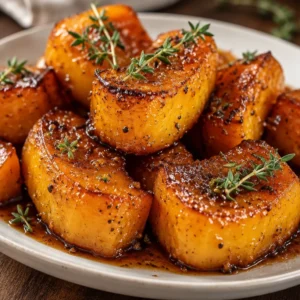
This brown sugar roasted butternut squash is a comforting side dish with caramelized edges and a warm sweetness, perfect for fall meals.
Ingredients
Main Ingredients
- 1 large Butternut squash, peeled, seeded, and cut into evenly sized cubes
- 3 tablespoons Brown sugar Use light or dark depending on desired flavor depth.
- 2 tablespoons Olive oil or melted butter Olive oil keeps it light; melted butter adds richness.
- 1 teaspoon Salt
- 1 teaspoon Black pepper
- 1/2 teaspoon Ground cinnamon Optional, for added warmth.
- 1/4 teaspoon Ground nutmeg Optional, for added warmth.
- to taste Fresh herbs (thyme, sage, or rosemary) Optional, for flavor.
Instructions
Preparation
- Preheat the oven to 400°F (200°C). Line a large baking sheet with parchment paper or lightly grease it.
- Peel the butternut squash, scoop out the seeds, and cut it into similarly sized cubes.
- In a large bowl, combine the squash cubes, olive oil or melted butter, brown sugar, salt, black pepper, and optional spices and herbs. Toss until evenly coated.
Roasting
- Spread the squash across the prepared baking sheet in a single layer, avoiding overcrowding.
- Roast in the oven for about 30 minutes or until the squash is fork-tender and golden around the edges, stirring halfway through.
Serving
- Taste the squash and adjust the seasoning if necessary. Serve warm with a garnish of fresh herbs, additional black pepper, or a drizzle of melted butter.
Notes
For even roasting, ensure squash pieces are cut uniformly. Use parchment paper for easy cleanup. Adjust the brown sugar to taste after roasting if desired. Leftovers can be stored in the refrigerator for up to four days.